
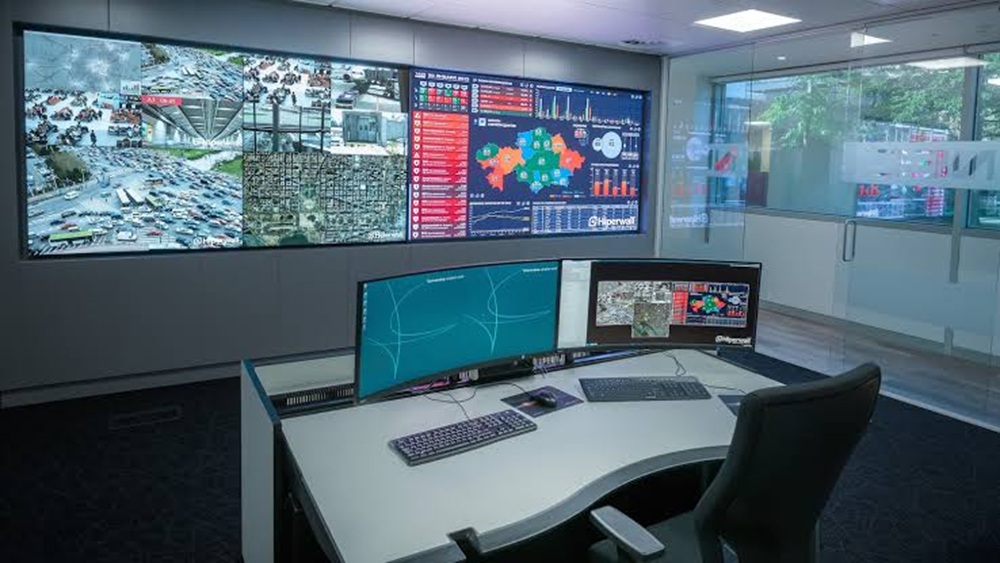
Control room displays cannot afford downtime. Utilities, transportation hubs, security teams, broadcast control rooms, and emergency operations centers rely on screens to present real-time information. Even a brief screen blackout can lead to safety risks, financial losses, and a rapid loss of trust.
That is why many teams are replacing aging LCD displays and projection systems with LED video walls. LED video walls deliver seamless images, wide viewing angles, extended operating hours, and excellent performance in bright or mixed-light environments. This article outlines a practical approach to evaluating LED display screen for high-pressure control rooms, helping you make informed decisions around the clock.
Define Mission-Critical Requirements Before Purchasing
Before selecting pixel pitch or panel dimensions, start by understanding how your control room operates daily. Most control rooms rely on displays for the following tasks:
-
Real-time monitoring: CCTV surveillance, maps, and live video feeds.
-
Data visualization: Dashboards, charts, and alerts.
-
Incident response: Rapidly updating content as situations evolve.
-
Collaboration: Shared content areas that help teams communicate efficiently.
Each application places different demands on the display. Walls used for maps and detailed data may require a finer pixel pitch and higher resolution to keep small text sharp at normal viewing distances. Rooms monitoring multiple camera feeds, on the other hand, prioritize uniform brightness, high contrast, and low latency to make moving targets easier to track.
Your physical environment also influences the right choice. Key considerations include:
-
Room dimensions and the distance between operators and the display wall.
-
The number of operators and the range of viewing angles required.
-
Ambient light from windows, skylights, and overhead fixtures.
-
How the display wall will integrate with existing systems and workflows.
Next, create a simple requirements matrix. List image quality, uptime, serviceability, and long-term support across the top, then assess the impact of each factor on risk, safety, and operations. This approach helps you evaluate the total cost of ownership over the LED video wall entire lifecycle rather than focusing solely on this year’s budget.
Visual Performance That Keeps Operators Focused
Control room operators often spend long hours in front of displays. Clear, stable images help them remain alert and reduce eye strain. Two of the most important factors are pixel pitch and resolution.
Pixel pitch is typically smaller for control room displays because operators sit relatively close to the screen and need to read fine text. The appropriate pixel pitch depends on:
-
The minimum viewing distance from the front row.
-
Typical content, such as maps, SCADA screens, dashboards, or camera feeds.
-
The overall wall dimensions and the number of sources displayed simultaneously.
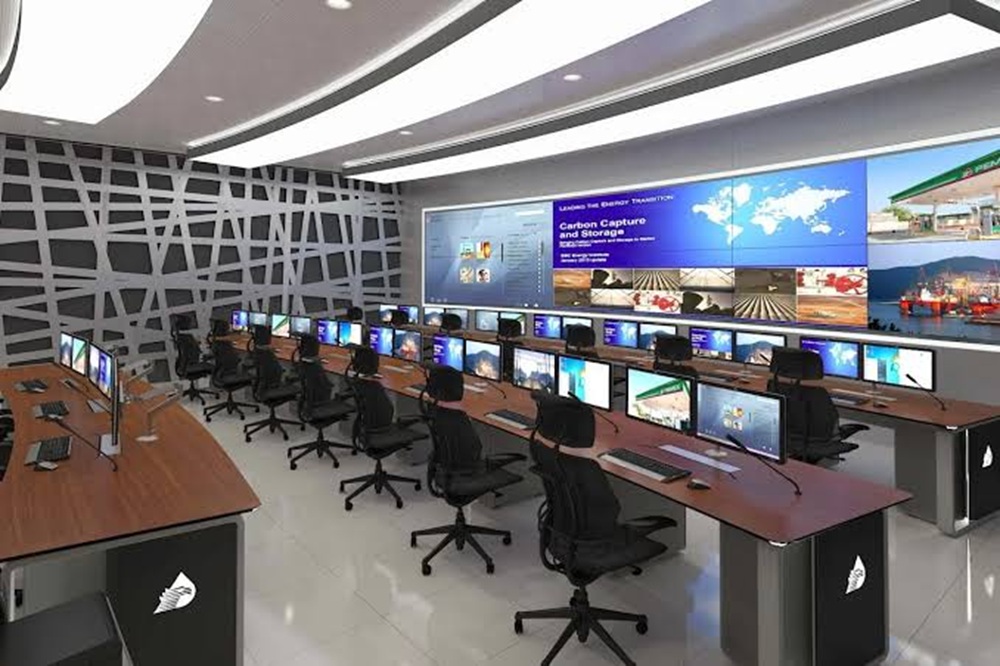
Beyond native resolution, visual comfort depends on several image characteristics working together:
-
Accurate color reproduction: Maps, alerts, and labels remain consistent and easy to interpret.
-
High contrast: Dark areas in camera feeds retain detail instead of blending into a gray haze.
-
Uniform brightness and color: No individual panel appears noticeably different from the rest of the wall.
-
Wide viewing angles: Operators seated at the sides see images comparable to those viewed from the center.
-
Low latency: Camera movements and real-time data appear synchronized.
Mixed lighting creates additional challenges. High-brightness LED output and strong black-level performance can help improve visibility, but they are only part of the solution. Intelligent dimming and precise brightness controls allow operators to reduce screen brightness at night, avoiding prolonged exposure to intense light during overnight shifts.
Reliability, Redundancy, and Serviceability Under Pressure
A control room’s display wall must remain operational even if individual components fail. This is where reliability and redundancy become essential. The foundation includes high-quality LED components and stable power supplies designed for continuous operation.
For mission-critical applications, also consider the following:
-
Redundant data paths: A single failure should not bring down the entire system.
-
Power redundancy: Alternative power options help keep content online if one power path fails.
-
Fault-tolerant design: Problems should be isolated rather than allowed to spread across the system.
Serviceability is equally important. When a fault occurs, you cannot afford to suspend operations for hours. The following features can make maintenance more efficient:
-
Front-service access: Technicians can perform maintenance from the control room side.
-
Hot-swappable modules: Faulty modules can be replaced while the rest of the wall remains operational.
-
Modular architecture: Repairs can be limited to specific components, reducing maintenance time and disruption.
At Hot Electronics, we place strong emphasis on LED solutions for facilities that operate around the clock, including broadcast studios and control rooms. Our approach centers on long service life, comprehensive testing, remote diagnostic tools, and support programs designed for mission-critical environments rather than ordinary office applications.
Practical Solutions for Ergonomics, Layout, and System Integration
Visual comfort depends on more than pixel pitch. It also depends on how the display wall fits the room and accommodates the people using it. Good ergonomic design helps operators maintain a natural head position and relaxed posture, particularly during long shifts.
Useful layout considerations include:
-
Appropriate mounting height: Keep most viewing content within a natural line of sight.
-
Flat or slightly curved configurations: Match the display wall to the room layout and viewing positions.
-
Seamless LED displays: Eliminate distracting bezels that divide content into separate sections.
-
Well-planned content zones: Help teams quickly identify where specific information is displayed.
System integration is another critical consideration. Control rooms typically connect LED video walls to:
-
Control and monitoring platforms.
-
KVM systems that allow operators at individual workstations to control input sources.
-
Video processors and switchers.
-
Multiple signal formats and resolutions.
Seamless transitions between normal operations and emergency scenarios are essential. During routine operations, teams may display large dashboards and maps. During an incident, they may need to switch rapidly between individual data sources, display backup feeds, or reorganize the screen layout. Planning these workflows with your integration team in advance helps prevent unnecessary pressure later.
Future-proofing is equally important. As workloads change seasonally or new data sources are introduced, the display wall should be expandable without requiring a complete rebuild. This means selecting an appropriate screen size and resolution, allowing room for future expansion, and choosing a processing platform capable of handling additional inputs.
From Specifications to Deployment, Hot Electronics Helps Bring Your Project to Life
Turning a specification sheet into a fully operational control room display is a process, not simply a purchase. An effective implementation typically involves the following stages:
-
Assessment: Map mission requirements, room dimensions, and existing systems.
-
Visualization: Use models or renderings to evaluate viewing angles and layout options.
-
Technical selection: Choose the appropriate LED pixel pitch, brightness, and redundancy configuration for your application.
-
Pilot testing or demonstration: Allow key stakeholders to evaluate real content on an actual display wall.
-
Installation planning: Address power requirements, structural support, sightlines, and maintenance access.
-
Commissioning and training: Focus on actual control room workflows to ensure the system is ready for operational use.
Working with an LED specialist such as Hot Electronics gives you more than hardware. Our team focuses on customized engineering, factory pre-configuration, precise on-site calibration, and ongoing support to meet the demands of uninterrupted operation.
As late-summer upgrade projects move forward and daylight hours remain extended, now is an ideal time to assess whether your existing control room displays are truly prepared for the next high-pressure operational period.
Start Your Project Today
If you are ready to upgrade your operational display system, our expert team can help design and deploy a high-performance control room display solution tailored to your environment.
At Hot Electronics, we work closely with you to understand your workflows, visualization requirements, and long-term technology objectives. Contact us to discuss your requirements, get answers to your technical questions, and explore the right solution for your application.
Get in touch with our team to start the conversation. We will respond as soon as possible.
Post time: Oct-20-2026