
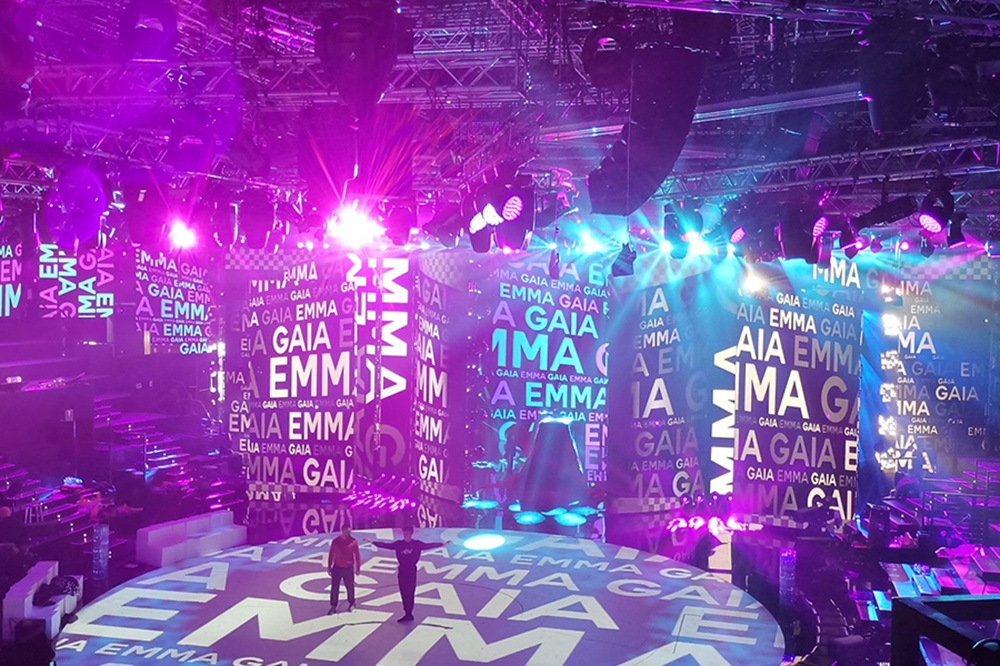
LED displays for events are among the most versatile and effective technological tools for enhancing the visual experience of any type of event. From concerts to corporate meetings, these screens have become indispensable, allowing organizers to deliver high-quality, immersive visual experiences.
With technological advancements, LED (Light Emitting Diode) screens have evolved significantly, offering greater flexibility for both indoor and outdoor applications. Today, LED screens are no longer just tools for projecting images—they are essential for capturing attention, evoking emotions, and delivering information clearly and effectively.
In this article, we will explore everything you need to know about LED displays for events, including their operation, advantages, types, applications, and the technical aspects to consider when choosing the right screen for your event.
What Is an LED Display and How Does It Work?
An LED display is made up of multiple light-emitting diodes, which are small semiconductors that emit light when powered. These screens are characterized by high brightness, low power consumption, and long lifespan, making them an ideal choice for events that require high-quality visual projection.
How are images formed on an LED screen?
Each LED represents a pixel. An LED display consists of thousands of such pixels arranged on panels to display images and videos. The image quality depends on the pixel pitch—the distance from the center of one pixel to the center of its adjacent pixel. The smaller the pixel pitch, the sharper the image, especially when viewed up close.
Types of LED Screens by Technology
LED screens vary depending on the technology used. The most common types include:
-
DIP (Dual In-line Package) LED: This traditional technology packages each diode separately. DIP LEDs are highly durable and resistant to extreme conditions, making them ideal for outdoor displays.
-
Surface-Mounted Device (SMD) LED: SMD LEDs combine red, green, and blue diodes into a single device, enhancing color quality and allowing thinner screens. They are perfect for indoor displays requiring high resolution and aesthetic design.
-
MicroLED: This advanced technology delivers higher resolution and energy efficiency. MicroLED displays offer vibrant colors and durability but are generally more expensive, making them suitable for high-end performances where visual quality is critical.
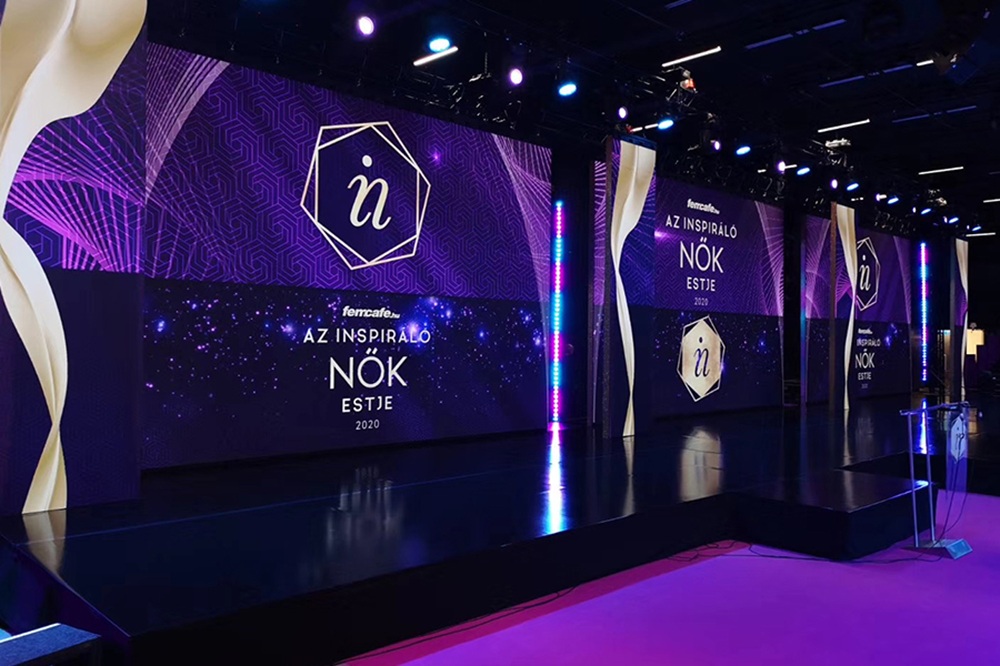
Advantages of LED Screens for Events
High Visibility and Brightness
One of the main reasons LED screens are so popular is their brightness. Even in well-lit environments, such as outdoor events or venues with strong artificial lighting, LED screens provide clear images, outperforming other display types like LCDs or projectors.
Flexible Size and Shape
LED screens are modular, meaning they can be assembled into various sizes and shapes to fit any stage or space. This is especially useful for large-scale events, such as concerts, where expansive surfaces or curved screens create more immersive visual experiences.
Low Power Consumption
Although LED screens produce high brightness, they are energy-efficient, helping reduce operational costs, particularly for long-duration events.
Durability
LED screens are designed to withstand harsh conditions, including temperature and humidity changes. Their durability and long lifespan make them a valuable long-term investment for event organizers.
Easy Installation and Maintenance
Thanks to modular designs, event LED screens are easy to install and dismantle. They also require minimal maintenance compared to other audiovisual solutions, making them ideal for events that demand quick setup.
Types of LED Screens for Events
Indoor LED Screens
These screens are primarily used for indoor events such as conferences, corporate presentations, exhibitions, and meetings. Indoor LED screens are designed for higher resolution, as they are typically closer to the audience and require higher pixel density for sharp images.
Key Features:
-
High resolution for close viewing
-
Adjustable brightness, as indoor screens do not require the extreme brightness of outdoor models
-
Slim design for seamless integration into walls or spaces
Outdoor LED Screens
High-resolution outdoor LED screens are designed for concerts, festivals, sports events, and large-scale advertising. They are weather-resistant and extremely bright to withstand direct sunlight.
Key Features:
-
Highly resistant to extreme weather
-
Ultra-high brightness (5,000–10,000 nits) for visibility under sunlight
-
Lower resolution, as these screens are usually installed farther from the audience
Curved and Creative LED Screens
Beyond traditional flat panels, many AV providers offer creative options like curved or custom-shaped displays. These are often used to create immersive visual experiences at concerts, trade shows, or product launches.
Technical Aspects to Consider When Choosing an LED Screen
Pixel Pitch
As mentioned, pixel pitch is one of the most important technical parameters, determining image clarity. Smaller pixel pitch means higher resolution and better image quality.
Brightness
Measured in nits, indoor screens usually require 500–2,000 nits, while outdoor screens may need up to 10,000 nits to overcome direct sunlight.
Refresh Rate
The refresh rate indicates how many times per second the screen updates the image. A high refresh rate (typically above 1200 Hz) is crucial to avoid flickering, especially when recording the screen at live events.
Size and Modularity
Depending on your event, you may need specific screen dimensions. Modular LED screens allow you to assemble displays in perfect shapes and sizes for your space, whether large rectangular screens or creative forms.
Common Event Applications of LED Screens
-
Corporate Events: Used in conferences, product launches, and presentations to display graphics, slides, and videos in high resolution, ensuring clear communication.
-
Concerts and Festivals: Vital in entertainment, providing clear views of performers from all angles and synchronized visual effects to enhance audience experience.
-
Sports Events: Used to show replays, real-time stats, and advertisements, with high brightness ensuring visibility even under sunlight.
Post time: Dec-18-2025