
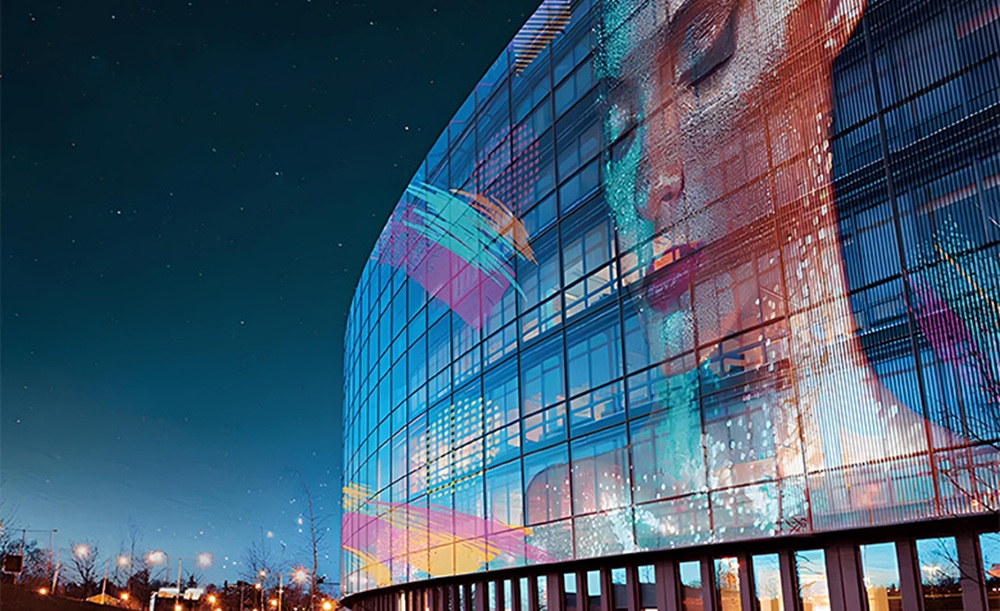
LED displays have become an integral part of our everyday lives, fundamentally transforming the way we communicate information. From bustling airports to tranquil parks, these vibrant, content-rich screens effortlessly capture our attention. But what exactly makes them so remarkable?
At the core of an LED (Light-Emitting Diode) display is a precisely arranged array of tiny diodes that emit light when an electric current passes through them. Each screen typically consists of red, green, and blue (RGB) LEDs, which can be combined to produce more than 16 million color variations. This technology enables stunning visual experiences—imagine bright advertisements surrounding you or live sports broadcasts bringing thrilling moments straight into your living room.
Full-color LED displays are used across a wide range of applications, from commercial billboards on busy streets to information kiosks in hospitals and train stations. Their high brightness ensures excellent visibility even in direct sunlight, making them particularly well suited for outdoor environments.
One of their standout advantages is the ability to seamlessly integrate real-time data with graphics and animations. Picture walking past a digital billboard that not only shows advertisements but also updates live news or weather information. This level of interactivity is far more engaging than traditional static signage.
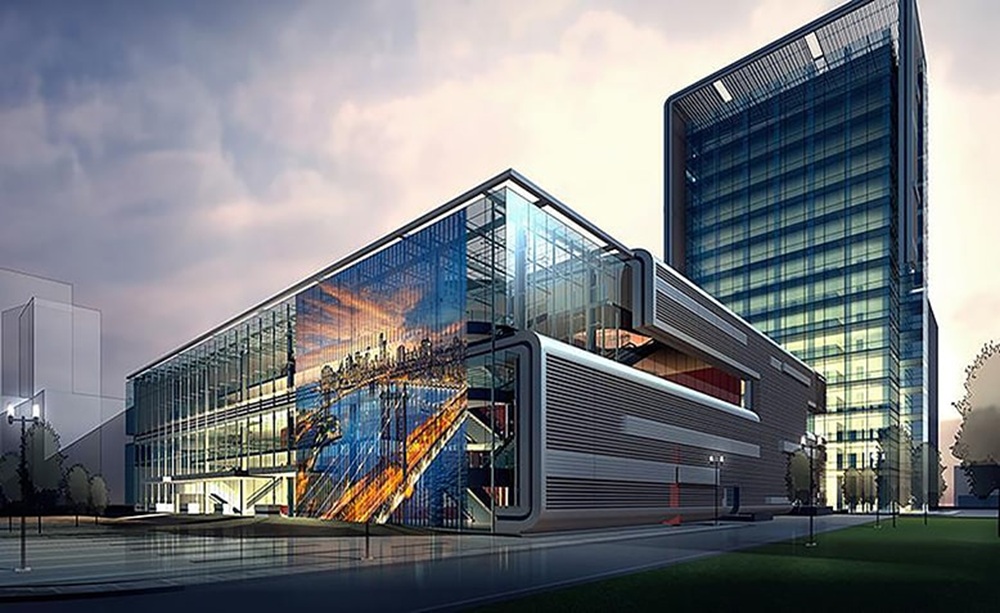
However, it is important to understand that not all LED displays perform the same. Factors such as pixel pitch—the distance between individual pixels—have a significant impact on image clarity and viewing angle. A smaller pixel pitch delivers higher resolution for close-up viewing while maintaining image quality at longer distances.
When choosing an LED display, it is essential to consider the intended application environment. Indoor models typically prioritize color accuracy and are ideal for detail-oriented presentations or events. Outdoor led displays, by contrast, focus on weather resistance, withstanding rain, dust, and other environmental factors without compromising brightness.
Maintenance also plays a critical role. Keeping the screen clean and preventing dust accumulation can extend its service life and help avoid image distortion caused by long-term buildup.
As technology continues to advance into areas such as flexible displays and integration with augmented reality systems, one thing remains clear: LED technology will continue to illuminate our world in ways we are only beginning to explore.
Post time: Jan-30-2026