
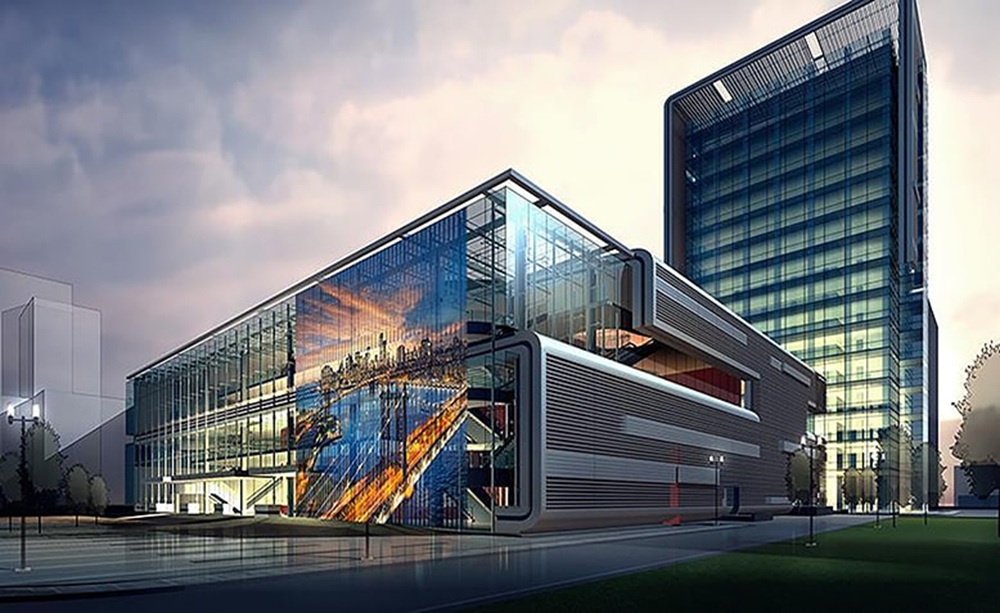
In the rapidly evolving field of display technology, transparent LED screens stand out as a revolutionary innovation, seamlessly blending digital content with real-world environments. From retail stores and corporate offices to museums and event venues, these displays are redefining how businesses and consumers interact with digital visuals.
Transparent LED screens can present high-resolution content while maintaining visibility through the display surface. This not only enhances aesthetics but also opens new possibilities for advertising, architecture, and interactive media. This article explores the technology behind transparent LED screens, their advantages, applications, and the future trends shaping this cutting-edge innovation.
Are you ready to explore the future of display technology?
Understanding Transparent LED Screen Technology
Unlike traditional LED displays that block the background view, transparent LED screen technology allows light to pass through the screen, making digital content appear as if it is floating in midair. These screens are built with micro-LEDs embedded in transparent substrates such as glass or acrylic panels, ensuring both visibility and digital projection.
How It Works
-
LED modules are strategically arranged on transparent panels, enabling viewers to see through the screen while still enjoying high-definition visuals.
-
Pixel pitch (the distance between LEDs) determines both the screen’s transparency and resolution.
-
Unlike LCD transparent displays that require backlighting, semi-transparent LED screens are self-emissive, delivering higher brightness and better energy efficiency.
Key Advantages of Transparent LED Screens
1. Aesthetic and Space-Saving
These screens integrate seamlessly into modern architecture, allowing businesses to showcase digital content while preserving an open and elegant space.
2. Energy Efficient and Environmentally Friendly
Compared with conventional LED walls, transparent LED screens consume significantly less power due to their self-emissive nature and optimized LED layout.
3. High Brightness and Clear Visibility
Designed for both indoor and outdoor applications, these screens offer extremely high brightness, ensuring clear images even under direct sunlight without the need for additional lighting.
4. Interactive and Customizable
With advancements in touch technology, many transparent LED screens now support interactive functions, making them ideal for retail environments and exhibition spaces.
5. Easy Installation and Maintenance
Their lightweight structure allows for easy installation on glass surfaces. The modular panel design ensures quick maintenance without replacing the entire display.
Major Applications of Transparent LED Screens
1. Retail and Advertising
Retail stores use transparent LED screens in storefronts and window displays to create eye-catching visuals that attract customers while maintaining interior visibility. These displays offer a futuristic way to dynamically present products and promotions.
2. Corporate and Commercial Buildings
Offices and commercial spaces adopt transparent LED screen technology for digital signage, conference presentations, and interactive office partitions.
3. Museums and Art Exhibitions
Museums leverage semi-transparent LED screens to create immersive storytelling experiences, overlaying digital content without obstructing physical exhibits.
4. Entertainment and Events
Concerts, fashion shows, and public events incorporate LED transparent screens into stage design to deliver stunning visual effects that blend seamlessly with the surroundings.
5. Automotive and Smart Glass Technology
Luxury automotive brands and smart glass manufacturers are exploring the integration of transpTechnology
1. Higher Resolution and Pixel Density
As manufacturing processes advance, future transparent LED screens will feature higher pixel density, improving image sharpness and video quality.
2. Integration with Augmented Reality (AR)
AR applications will increasingly integrate with transparent LED screens to create immersive and interactive experiences, transforming retail shopping and entertainment.
3. Smart Glass and IoT Connectivity
Next-generation transparent LED displays will embed AI and IoT capabilities, enabling real-time data visualization and automated content adjustment.
4. Flexible and Curved LED Panels
Innovations in material science will drive the development of bendable and curved transparent LED displays, expanding applications in architecture and automotive industries.
The evolution of transparent LED displays marks a significant leap in display technology, seamlessly combining functionality with aesthetics to create visually stunning environments. As adoption expands across industries, these displays are leading the way toward a more interactive and immersive digital future.
Are you ready to explore the future of display technology?
If you are looking for cutting-edge transparent LED display solutions for your business or creative project, now is the time to explore the latest innovations and redefine your visual experience.
Post time: Mar-03-2026