
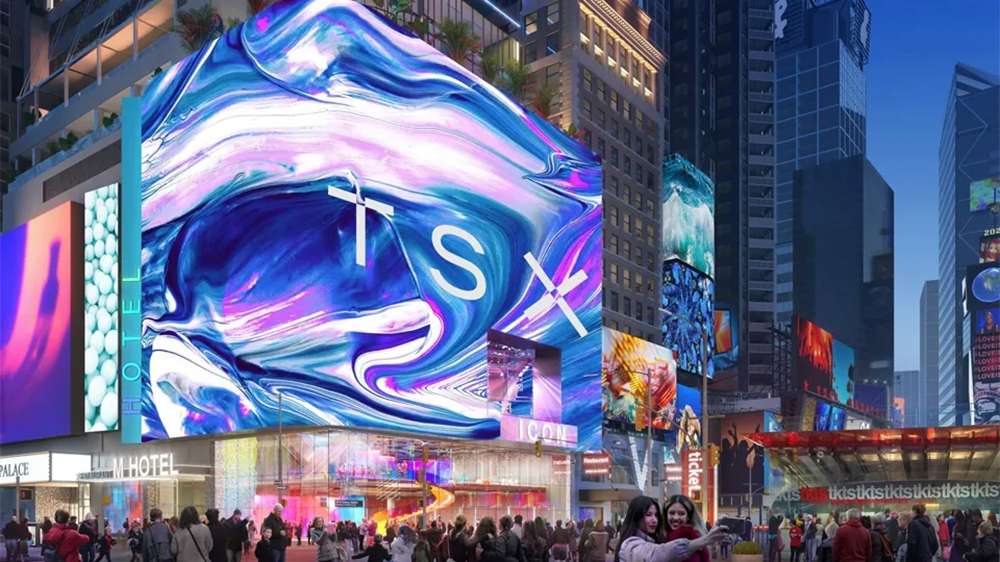
Large LED screens have revolutionized the way we communicate, advertise, engage, and interact with audiences. From massive outdoor billboards illuminating city skylines to immersive video walls in sports venues, LED technology has become an integral part of modern visual communication. Whether in Times Square in New York, Piccadilly Circus in London, or stadiums around the world, large LED screens have become iconic showcases of cutting-edge technology.
This overview explores the working principles, applications, technological advancements, environmental impact, and future development of large LED screens, while examining the key trends driving the industry forward.
1. Understanding LED Technology
A light-emitting diode (LED) is a semiconductor device that emits light when an electric current passes through it. Unlike traditional incandescent bulbs, which produce a warm glow, LEDs are more energy-efficient, durable, and capable of producing bright light in a wide range of colors. These characteristics make LEDs ideal for large-scale visual displays where visibility and image clarity are essential.
In large LED screens, thousands or even millions of individual LEDs work together to form a display. Each LED corresponds to a pixel, and by combining red, green, and blue (RGB)—the primary colors of light—LED displays can produce millions of colors to create images, videos, and other visual content.
The performance of an LED screen is largely determined by its pixel density, or the number of pixels per square meter. A higher pixel density generally produces sharper and more detailed images, particularly when viewed from a short distance.
2. The Life System of Large LED Screens
Large LED screens consist of numerous circuit boards, each containing hundreds or thousands of LEDs. These circuit boards operate independently, allowing them to be assembled into displays of virtually any size or shape, including rectangular, curved, circular, and creative custom configurations.
The main components include:
2.1 LED Modules
LED modules are the basic building blocks of an LED screen. Each module contains an array of LEDs capable of displaying a portion of the overall image.
2.2 Driver Circuits
Driver circuits control the current and voltage supplied to the LEDs, ensuring that each pixel can illuminate at the required brightness and color.
2.3 Power Supply
Large LED screens require substantial amounts of power to operate. Power supply systems ensure that each circuit board receives the necessary electrical energy.
2.4 Controller
The LED controller acts as the brain of the display. It receives input from a media player, computer, or other video source, processes the information, and sends it to the driver circuits within each module.
2.5 Cooling System
Large LED screens generate heat, especially during prolonged operation. Effective thermal management systems, such as fans and heat sinks, are essential for maintaining optimal performance and extending the screen’s service life.
3. Types of LED Displays
Large LED screens can be categorized according to their application, installation environment, size, and technology.
3.1 Outdoor LED Displays
Outdoor LED displays are designed to withstand various weather conditions, including rain, wind, and direct sunlight. They typically feature higher brightness levels to ensure clear visibility even under strong sunlight.
Outdoor LED displays are widely used for advertising, live events, public information, transportation, and large-scale digital signage.
3.2 Indoor LED Screens
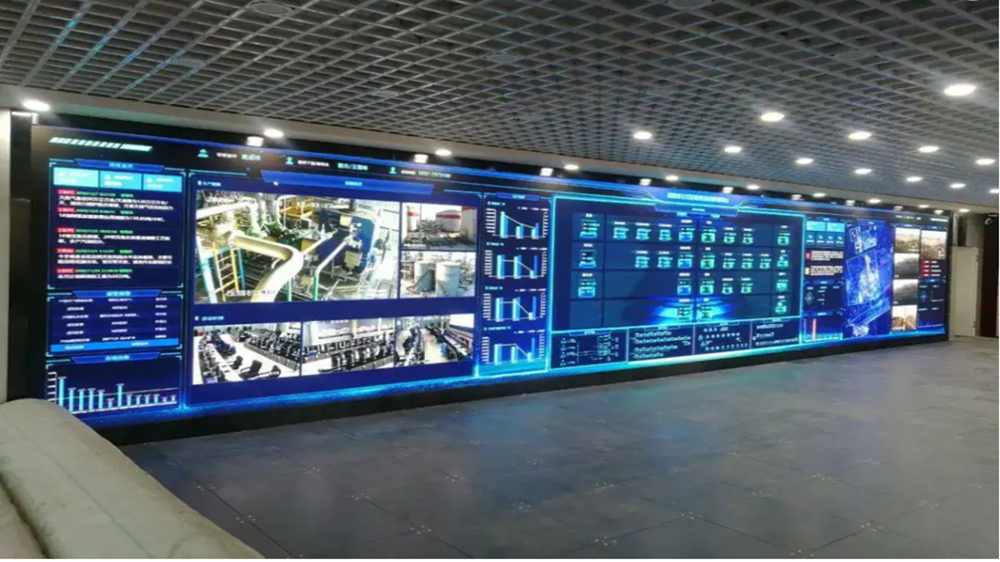
Indoor LED screens are widely used in shopping malls, conference centers, corporate spaces, theaters, and sports venues.
Because viewers are generally closer to indoor screens, these displays typically use a smaller pixel pitch to provide finer image quality. Although their brightness is lower than that of outdoor displays, they remain highly visible under indoor lighting conditions.
3.3 Transparent LED Screens
Transparent LED displays are an innovative solution that allows digital content to be displayed while maintaining a high degree of transparency.
They are commonly used in retail storefronts and glass facades, allowing pedestrians to see both the digital content and the products or interior space behind the screen.
3.4 Curved and Flexible LED Displays
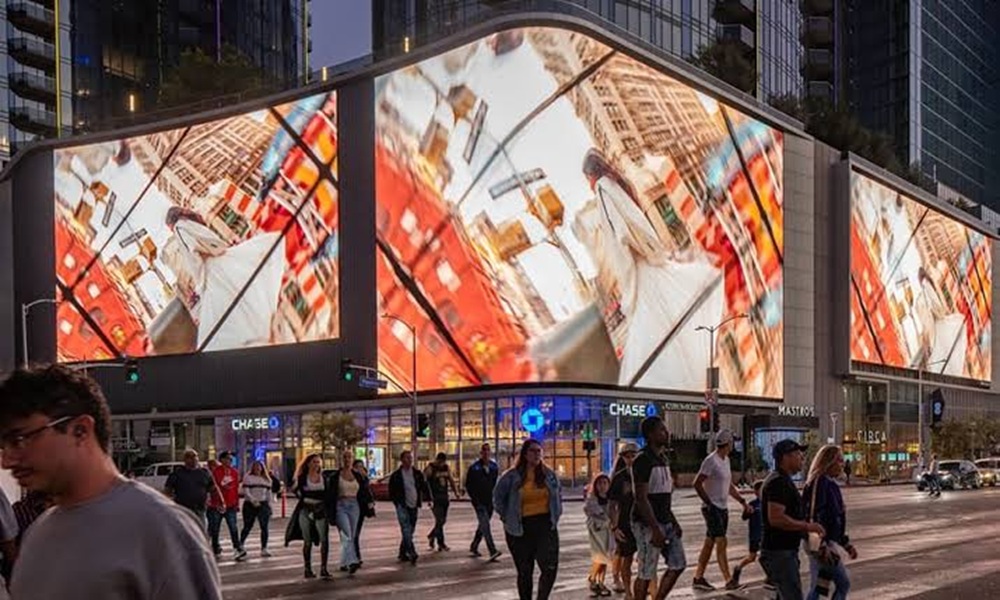
Large LED screens are no longer limited to flat rectangular surfaces. Curved LED displays are increasingly used in stadiums, arenas, exhibitions, and artistic installations to create more immersive visual experiences.
Flexible LED displays represent another emerging technology, allowing screens to bend and wrap around various structures and unconventional surfaces.
3.5 Micro LED and Mini LED
Micro LED and Mini LED represent important developments in LED display technology.
Micro LED displays use extremely small LEDs to achieve higher pixel densities, improved image quality, and greater energy efficiency. Mini LED technology bridges the gap between conventional LED and Micro LED, offering significantly improved image quality at a comparatively lower cost.
ay stations, and transportation hubs use large LED screens to display essential information such as flight schedules, departure gates, train information, and real-time updates.
Their excellent visibility from a distance makes them ideal for busy environments with large volumes of passengers.
Because LED content can be updated dynamically, transportation hubs can also use the displays for advertising, public announcements, and other information when essential travel information is not being shown.
4.5 Corporate and Educational Applications
Large LED screens are increasingly being adopted in corporate environments for product demonstrations, conferences, presentations, and seminars.
LED video walls installed in meeting rooms and auditoriums can provide clear and detailed visuals, improving communication and presentation quality.
Educational institutions also use large LED displays for lectures, presentations, conferences, and events, providing a convenient platform for presenting digital learning content.
4.6 Retail and Hospitality
In retail environments, large LED screens are widely used in storefronts and shopping spaces to attract customers with vivid and engaging visual content.
Transparent LED displays can promote products while maintaining visibility into the store.
Hotels and resorts also use large LED screens in lobbies, event spaces, and conference areas to create eye-catching digital signage, promote services, display artwork, and enhance guest experiences.
5. Technological Advancements in Large LED Screens
The LED display industry continues to evolve rapidly, with modern technologies improving performance, efficiency, and flexibility. Some of the most notable developments include:
5.1 HDR Technology
High Dynamic Range (HDR) technology is increasingly being adopted in LED displays to deliver richer colors and stronger contrast.
HDR creates deeper blacks, brighter highlights, and more detailed images, resulting in a more immersive viewing experience. It is particularly valuable in outdoor environments where changing lighting conditions can affect screen visibility.
5.2 4K and 8K Resolution
As demand for high-resolution content continues to grow, large LED screens are increasingly moving toward 4K and even 8K resolutions.
Higher pixel density delivers exceptionally sharp and detailed images, particularly at close viewing distances. While high-resolution displays were once primarily associated with indoor applications, technological advances are making high-resolution outdoor LED displays increasingly practical.
5.3 Energy Efficiency
As concerns about energy consumption and environmental sustainability continue to increase, manufacturers are focusing on improving the energy efficiency of LED displays.
Advances in LED chips, power supplies, driver ICs, and thermal management systems have enabled modern LED displays to consume less power than earlier generations.
This not only helps reduce operating costs but also minimizes the environmental impact of large-scale digital displays.
5.4 Interactive LED Screens
The future of large LED screens is becoming increasingly interactive. Touchscreen technology and interactive systems are being integrated into larger displays, allowing users to engage directly with digital content.
These interactive displays are already being used in retail stores, museums, exhibitions, educational institutions, and public spaces to create more engaging experiences.
5.5 Augmented Reality Integration
Augmented Reality (AR) is another emerging technology being combined with large LED displays to create more engaging and immersive experiences.
For example, AR elements can be integrated with LED content to create the impression that digital objects or characters are interacting with the physical environment.
This convergence of physical and digital spaces opens up new possibilities for entertainment, advertising, education, and interactive experiences.
6. Environmental Impact and Sustainability
Although large LED screens offer numerous benefits, their production, operation, and transportation can also have environmental impacts.
6.1 Energy Consumption
Although LED displays are generally more energy-efficient than older display technologies, large LED screens can still consume significant amounts of electricity, particularly when operating at high brightness levels outdoors.
Manufacturers are addressing this challenge through more efficient LEDs, power supplies, and control systems. Integrating solar panels and other renewable energy sources can further reduce their environmental footprint.
6.2 Materials and Manufacturing
The production of LED displays requires a variety of materials, including certain rare-earth elements. The extraction and processing of these materials can raise environmental and ethical concerns.
Reducing material consumption, increasing recycling rates, and developing alternatives to rare-earth materials remain ongoing challenges for the industry.
6.3 Electronic Waste
Like other electronic hardware, large LED screens eventually reach the end of their service life, contributing to the growing issue of electronic waste.
Because of their complex construction, some LED displays can be difficult to recycle. However, manufacturers are working to improve recyclability through modular designs, easy-to-disassemble components, and the use of more environmentally friendly materials.
7. The Future of Large LED Screens
The future of large LED screens looks promising, with continuous technological innovation expanding their capabilities and applications.
As screen resolution increases, energy consumption decreases, and interactivity improves, LED displays are expected to play an even greater role in everyday life.
The integration of Artificial Intelligence (AI) and machine learning could enable LED screens to respond intelligently to their surroundings, optimize performance in real time, and deliver personalized content based on audience characteristics and behavior.
In urban environments, we may see the wider adoption “smart” LED displays capabl responding to environmental conditions, presenting real-time information, and integrating seamlessly with smart city systems.
Advances in flexible and lightweight LED technology may also enable displays to be integrated into architecture, vehicles, furniture, and even wearable applications.
8. Further Developments in Large LED Screen Technology
Although large LED screens have already made a significant impact around the world, future technologies are expected to further improve their functionality, efficiency, and flexibility.
These developments will not only benefit businesses and organizations already using LED displays but may also unlock entirely new applications and markets.
Future innovations are likely to focus on higher pixel densities, lower power consumption, improved thermal management, flexible form factors, interactive technologies, AI-driven content management, and more sustainable materials.
9. Micro LED Displays
Micro LED technology represents a significant leap forward in the evolution of LED displays.
Micro LED displays use extremely small LEDs, with each LED functioning as an individual pixel. Compared with conventional LED displays, this architecture enables higher resolutions, improved energy efficiency, exceptional brightness, deeper contrast, and greater color accuracy.
These characteristics make Micro LED particularly promising for both indoor and outdoor applications.
Micro LED technology could transform industries such as retail, advertising, entertainment, and digital signage. Its exceptionally sharp and detailed images can create more immersive and focused experiences for consumers.
The modular nature of Micro LED technology also makes it possible to build large-scale display systems while maintaining consistent image quality across different screen sizes.
10. Conclusion
Large LED screens have come a long way since their introduction, evolving into highly versatile, energy-efficient, and visually impressive tools for communication and entertainment.
Their applications now span numerous industries, including advertising, sports, education, transportation, retail, hospitality, and public services.
As display technology continues to advance and sustainability becomes increasingly important, LED screens are expected to remain at the forefront of visual display technology for many years to come.
Looking ahead, we can expect further breakthroughs in resolution, energy efficiency, interactivity, AI integration, flexible display technology, and Micro LED. These innovations will continue to reshape how people experience visual media in both public and private spaces.
Post time: Aug-17-2026