
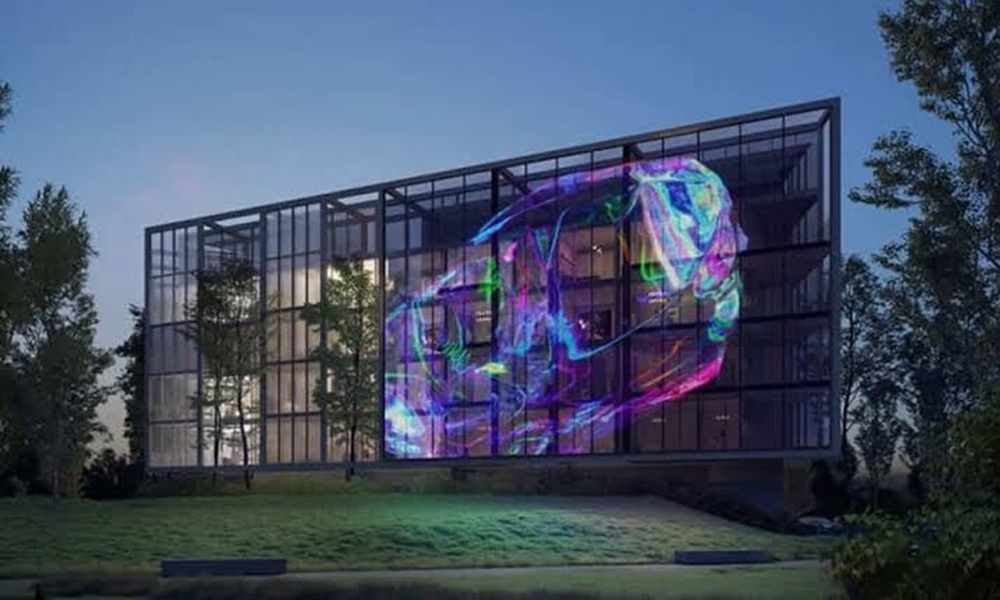
Transparent LED displays are one of the most visually striking applications of LED technology. They transform glass façades, storefront windows, and architectural surfaces into dynamic digital canvases while preserving transparency, natural light, and visibility.
From retail stores and commercial buildings to museums, exhibitions, concerts, and live events, transparent LED technology provides a unique way to combine digital content with real-world environments.
This guide explores how transparent LED displays work, the main types available, key specifications, applications, content design considerations, installation requirements, and how transparent LED compares with standard LED displays.
How Does Transparent LED Technology Work?
Traditional LED displays use solid panels filled with LED packages, PCB boards, power supplies, and heat-dissipation components. Transparent LED displays use a fundamentally different structure.
LEDs are mounted on a sparse grid, mesh, or transparent film, leaving open spaces between the components. These gaps allow natural light and views to pass through the display while digital content is shown on the LED surface.
This combination of digital display and transparency makes transparent LED particularly suitable for glass buildings, storefronts, architectural façades, and temporary event installations.
Three Main Types of Transparent LED Displays
1. LED Grid Displays
LED grid displays use a rigid aluminum structure with evenly distributed LED bars, typically spaced 40–100 mm apart.
The transparency level depends on the ratio between the illuminated LED bars and the open spaces. Grid displays can typically achieve 50–70% transparency and provide a strong structure for long-term outdoor installations.
Common pixel pitches include P3.9, P7.8, and P15.6.
2. LED Mesh Displays
LED mesh displays use fine copper or stainless-steel mesh, with SMD LEDs installed at the intersections.
They are significantly lighter than traditional grid systems, typically weighing around 1.5–3 kg/m² compared with approximately 8–15 kg/m² for grid displays.
With transparency levels of up to 70–90%, mesh displays are often used for large architectural façades, building wraps, and temporary event installations.
3. LED Film Displays
LED film displays use an ultra-thin adhesive film, generally less than 2 mm thick, with micro-LED components embedded into a transparent substrate.
The film can be applied directly to existing glass surfaces, making it suitable for storefronts and architectural windows where structural modifications are limited.
Transparency can reach approximately 75–95%. However, brightness, typically around 800–1,500 nits, and lifespan may be lower than those of grid or mesh systems.
Understanding Transparent LED Transparency
Transparency is one of the most important specifications when selecting a transparent LED display.
| Transparency | What It Means | Typical Pixel Pitch |
|---|---|---|
| 90–95% | Almost invisible when switched off; content appears to float in the air | P10–P15 and above |
| 70–85% | Visible light-colored framework while maintaining clear views | P7.8–P10 |
| 50–70% | More visible structure with partial see-through capability | P3.9–P7.8 |
Higher transparency generally means lower LED density. As a result, image resolution and brightness may also decrease.
This creates an important design trade-off between transparency, resolution, brightness, and visual impact.
For most architectural applications, 70–85% transparency can provide a practical balance between digital visibility and architectural aesthetics.
For storefronts and commercial spaces where visibility into the interior is particularly important, transparency levels of approximately 85–95% may be more suitable.
Transparent LED Display Specifications
When evaluating a transparent LED display, buyers should consider more than transparency alone. Brightness, pixel pitch, IP rating, operating temperature, weight, and installation requirements are also important.
| Specification | Indoor | Outdoor |
|---|---|---|
| Brightness | 800–2,000 nits | 2,000–5,000 nits |
| Pixel Pitch | P3.9–P10 | P7.8–P25 |
| Transparency | 60–90% | 60–95% |
| IP Rating | IP40 | IP65 |
| Operating Temperature | 0°C to +50°C | -20°C to +55°C |
| Weight | 3–8 kg/m² | 8–15 kg/m² |
The appropriate specification depends on the viewing distance, ambient lighting, installation location, content requirements, and desired transparency.
Applications of Transparent LED Displays
Retail Storefront Windows
Transparent LED displays create a dual-purpose storefront surface.
People outside the store can see dynamic advertising and promotional content, while the interior remains visible through the display.
This makes transparent LED particularly suitable for:
- Fashion and luxury retail
- Electronics showrooms
- Automotive dealerships
- Department-store windows
- Shopping malls
- Brand flagship stores
Unlike solid LED displays, transparent LED can maintain the visual connection between the street and the store interior.
Glass Building Façades
Transparent LED Display can transform commercial buildings with glass façades into large-scale digital displays.
Typical applications include:
- Corporate headquarters
- Retail flagship stores
- Hotels and restaurants
- Shopping centers
- Transportation hubs
- Commercial buildings
Transparent LED Display can display branding, promotional campaigns, public information, advertising, and event content while maintaining the architectural character of the building.
However, façade installations may be subject to local planning requirements and light-pollution regulations. Brightness limits and automatic nighttime dimming may be required depending on the location.
Museums and Exhibition Spaces
Transparent LED Display technology can create layered visual experiences in museums, galleries, and exhibition environments.
Digital content can appear to float above physical objects or architectural elements, creating a combination of physical and digital storytelling.
Potential applications include:
- Corporate visitor centers
- Brand experience museums
- Trade-show booths
- Exhibition installations
- Airport advertising areas
Stage and Event Design
Transparent LED Display has become an increasingly popular option for concerts, live events, product launches, and stage productions.
Because the screen remains partially transparent, performers, scenery, and objects behind the display can remain visible.
Typical configurations include:
- Transparent stage-front LED screens
- LED ceiling grids
- Floating LED effects
- Transparent stage-set elements
- Product-launch installations
- Concert and entertainment displays
This allows designers to create visual effects that are difficult to achieve with traditional solid LED screens.
Content Design for Transparent LED Display
Content designed for transparent LED should take advantage of the technology’s unique visual characteristics.
Use dark backgrounds.
Black areas remain transparent, allowing content elements to appear as if they are floating in the real environment.
Use layered visual designs.
The physical environment behind the display remains visible. Digital content should therefore complement the background instead of competing with it.
Avoid overly dense imagery.
Full-screen photographs and videos can be displayed, but excessive visual density may reduce the distinctive see-through effect of transparent LED.
Use motion graphics and animation.
Particle effects, outline graphics, logos, typography, and abstract animations can work particularly well on transparent LED displays.
Structural and Installation Considerations
Transparent LED installations require careful planning, particularly for large outdoor and architectural projects.
Wind Load
Large transparent LED façade systems can act similarly to a wind sail. Structural calculations should consider local wind speeds and the additional wind load applied to the building structure.
Mounting Systems
Grid and mesh displays are generally installed using aluminum frames or other mounting structures attached to the building.
The load transfer to the primary building structure should be evaluated before installation.
Maintenance Access
LED modules, control systems, and power supplies require regular inspection and maintenance.
For high-rise installations, maintenance access using suspended platforms, lifts, or other access systems should be considered during the design stage.
Electrical Infrastructure
Transparent LED Display systems typically consume less power than solid LED displays at comparable brightness levels because of their lower LED density.
Power supplies should be properly distributed throughout the installation, with appropriate electrical protection and redundancy designed into the system.
Transparent LED vs. Standard LED Displays
Transparent and standard LED displays serve different application requirements.
| Criteria | Transparent LED | Standard LED |
|---|---|---|
| See-through capability required | Yes | No |
| Natural light is important | Yes | No |
| Maximum brightness required | Limited compared with solid LED | Yes |
| Full-frame video | Good | Excellent |
| Graphics and branding | Excellent | Excellent |
| Architectural integration | Excellent | Good |
| Cost per square meter | Higher | Lower |
Transparent LED is generally selected when maintaining visibility, natural light, or architectural aesthetics is an important part of the project.
Standard LED displays may be more appropriate when maximum brightness, high pixel density, or full-frame video performance is the primary requirement.
How to Choose the Right Transparent LED Display
Before selecting a transparent LED display, consider the following factors:
1. Installation location
Determine whether the display will be installed indoors, outdoors, on a storefront, or on a building façade.
2. Viewing distance
Shorter viewing distances generally require a finer pixel pitch, while larger architectural installations can use wider pixel pitches.
3. Required transparency
Higher transparency improves visibility through the display but may reduce LED density, brightness, and resolution.
4. Ambient lighting
Outdoor installations exposed to direct sunlight require higher brightness than indoor applications.
5. Content type
Consider whether the display will mainly show branding, graphics, animation, advertising, or full-screen video.
6. Structural conditions
For façade installations, evaluate wind load, mounting structures, building conditions, and maintenance access.
7. Local regulations
Check local requirements for building façades, brightness, outdoor advertising, and light pollution before installation.
Hot Electronics Transparent LED Display Solutions
Hot Electronics provides transparent LED display solutions for retail stores, commercial buildings, corporate headquarters, exhibitions, and live events.
Our transparent LED Display solutions cover applications ranging from indoor LED film displays to outdoor grid and mesh systems, helping businesses combine digital content with existing glass and architectural environments.
Whether you are planning a transparent LED storefront, building façade, exhibition installation, or event display, selecting the right pixel pitch, transparency, brightness, and structural configuration is essential for achieving the desired visual effect and long-term performance.
Contact Hot Electronics to discuss your transparent LED screen project and find the right display solution for your application.
Post time: Sep-21-2026