
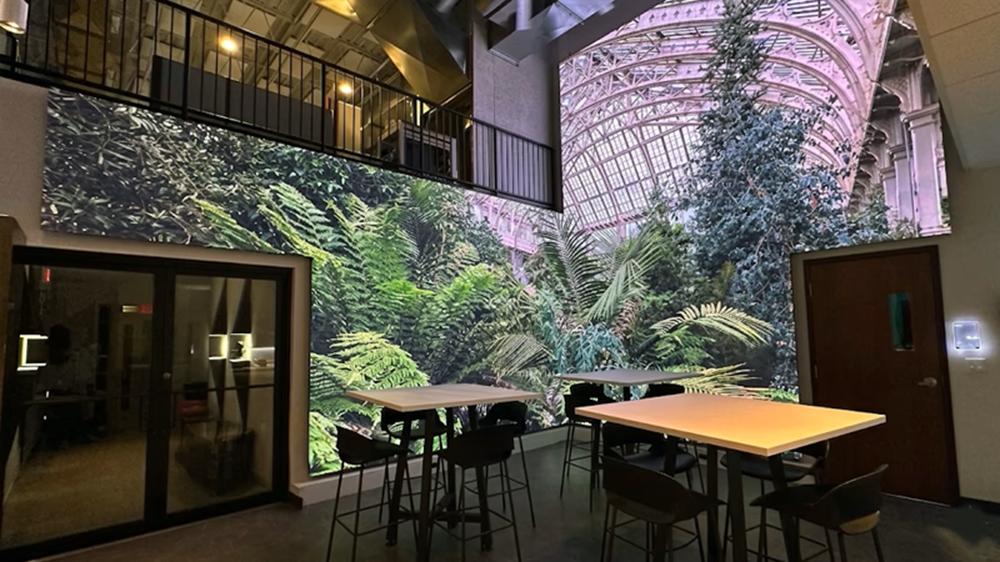
The innovation of LED screen technology has fundamentally transformed the display industry, spanning everything from home entertainment to digital advertising. Looking ahead, industry leaders and analysts predict that LED technology will continue to evolve, driving ongoing innovation, expanding application areas, and delivering increasingly high-quality user experiences.
Advancements in Micro LED Technology
One of the most exciting developments in the LED field is the progress of MicroLED displays. MicroLED consists of microscopic, independent LEDs and offers significant advantages over traditional LED and OLED technologies, including higher brightness, improved energy efficiency, and longer lifespan. Analysts predict that with improvements in manufacturing processes and cost reductions, MicroLED technology will see wider adoption, benefiting applications ranging from consumer electronics to large-scale commercial displays.
Dr. John Doe, a leading display technology expert, stated: “MicroLED displays, with their outstanding image quality and durability, are set to disrupt the market. We expect that within the next five years, MicroLED will become a standard feature in high-end televisions and professional displays.”
Integration with Artificial Intelligence and the Internet of Things
The integration of LED screens with artificial intelligence (AI) and the Internet of Things (IoT) is another key trend shaping the future of this technology. AI-powered LEDs can dynamically adjust brightness, color, and contrast based on displayed content and surrounding environmental conditions. In addition, IoT connectivity enables LED displays to communicate with other smart devices, creating more interactive and personalized user experiences.
TechInsights senior analyst Jane Smith noted: “The convergence of AI and IoT with LED technology will lead to smarter and more responsive displays. Imagine a digital billboard that adjusts advertisements in real time based on the demographics of passersby, or a home theater system that automatically optimizes its picture settings.”
Sustainability and Energy Efficiency
As sustainability becomes increasingly important, the LED industry is focusing on developing more energy-efficient and environmentally friendly technologies. Future LED screens are expected to deliver higher performance while further reducing power consumption. Innovations such as Organic Light-Emitting Diodes (OLED) and Quantum Dot Light-Emitting Diodes (QD-LED) are leading the way in this green technology evolution.
Environmental expert Maria Gonzalez emphasized: “The transition toward sustainable LED technology is not just a trend—it is an inevitability. Companies that prioritize energy efficiency and recyclability in their products will lead the market in the coming years. Both consumers and businesses are becoming increasingly aware of their environmental impact, driving demand for greener solutions.”
Expansion of LED Applications
The versatility of LED technology means its applications continue to expand. Beyond traditional screens, LEDs are being used in innovative fields such as flexible transparent displays, augmented reality (AR) devices, and wearable technologies. This diversification is opening up new markets and growth opportunities.
Lawrence Wang, CEO of a leading LED Display manufacturing company From Hot Electronics Co., Ltd. , explained: “We are seeing LED technology being integrated into a wide range of new applications, from automotive displays to smart clothing. The flexibility and adaptability of LEDs make them ideal for cutting-edge innovation across multiple industries.”
Enhancing User Experience and Personalization
User experience remains a top priority for LED manufacturers, with future developments focusing on more immersive and customizable display solutions. Features such as Ultra High Definition (UHD) resolution, High Dynamic Range (HDR), and advanced color calibration will become standard. In addition, LED solutions tailored to specific user needs and preferences will become increasingly common.
“The future of LED screens lies in their ability to deliver unparalleled user experiences. Consumers want more than just a screen; they want immersive, interactive, and personalized viewing experiences. Companies that can meet these expectations will thrive.”
Conclusion
The future of LED screens is bright, driven by continuous technological advancement that fuels new applications and enhanced user experiences. From the rise of MicroLED to the integration of AI and IoT, the LED industry is poised for significant growth and innovation. As sustainability and energy efficiency become increasingly important, LED technology will continue to evolve to meet these demands while expanding into dynamic new markets. Industry leaders and analysts agree: the future of LED screens will be dynamic, sustainable, and highly versatile.
Post time: Jun-11-2026